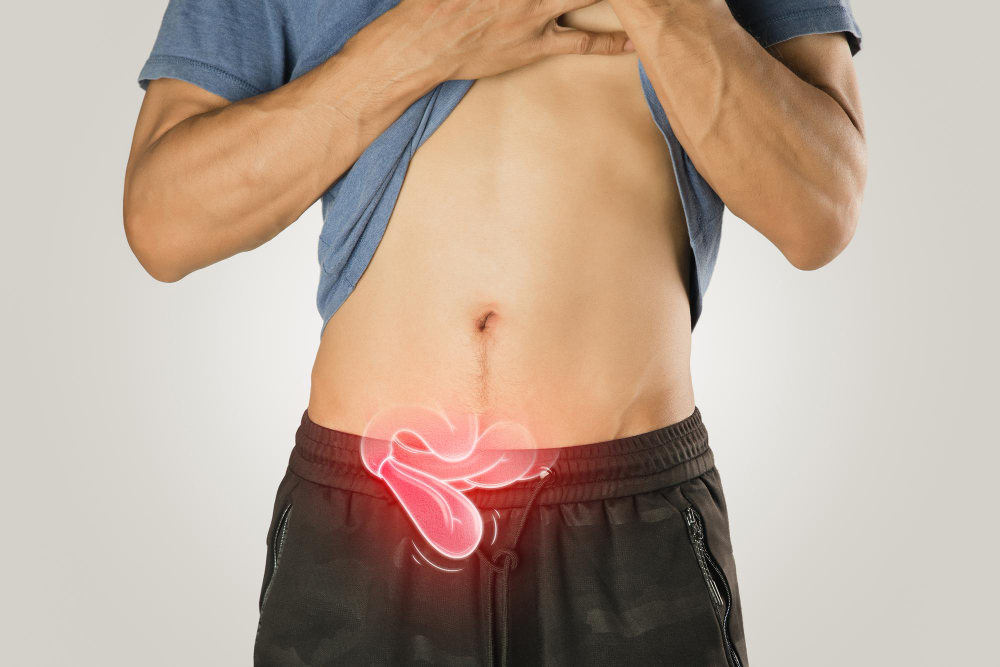
What Is an Inguinal Hernia?
An inguinal hernia happens when tissue, often part of the intestine, pushes through a weak spot in the lower belly wall. This area is called the inguinal canal. Usually, you may notice a bulge in your groin or scrotum. Because this condition is common, it is important to know the signs and risks. Early awareness can help you get the right care. Inguinal hernias are more common in men, but women can get them too.
Common Causes of Inguinal Hernia
Several factors can lead to an inguinal hernia. Often, it is a mix of muscle weakness and strain. For example, you might develop a hernia due to:
Because these causes are common, anyone can be at risk. However, knowing the causes can help you take steps to prevent them.
Recognizing the Symptoms
It is important to spot inguinal hernia symptoms early. Most people notice a bulge in the groin or scrotum. However, other signs can appear as well. For instance, you may feel:
Sometimes, the bulge may disappear when you lie down. But if you notice any of these symptoms, you should pay attention. Early action can prevent problems later.
Why Delaying Treatment Is Risky
Many people ignore a small hernia, thinking it will go away. However, delaying treatment can be dangerous. Over time, the hernia can grow larger. In some cases, part of the intestine can get trapped. This is called incarceration. If blood flow gets cut off, it becomes a medical emergency known as strangulation. Because of these risks of untreated hernia, you should not wait to seek help. Quick treatment lowers the chance of serious problems.
Diagnosis and Treatment Options
Doctors can usually diagnose an inguinal hernia with a simple exam. Sometimes, they may use an ultrasound or CT scan for a closer look. Once diagnosed, treatment depends on the size and symptoms. For small hernias without pain, your doctor may suggest watchful waiting. However, most hernias need surgery to fix the weak spot. There are two main types of surgery:
Both methods are safe and effective. Your doctor will help you choose the best option. If you are looking for inguinal hernia treatment in your area, ask your healthcare provider for local options.
Prevention and Lifestyle Tips
While not all hernias can be prevented, you can lower your risk with healthy habits. For example, you can:
Because prevention is easier than treatment, these steps can help protect your health.
When to See a Doctor
If you notice a bulge in your groin or have pain, see a doctor soon. Especially if the bulge becomes hard, painful, or you feel sick, seek help right away. Quick action can prevent serious problems. Even if your symptoms are mild, a doctor can guide you on the best next steps.
In summary, inguinal hernias are common but can become serious if ignored. If you have symptoms or concerns, consult a specialist at Happy Life pharmacy for personalized advice. Early care can make all the difference.