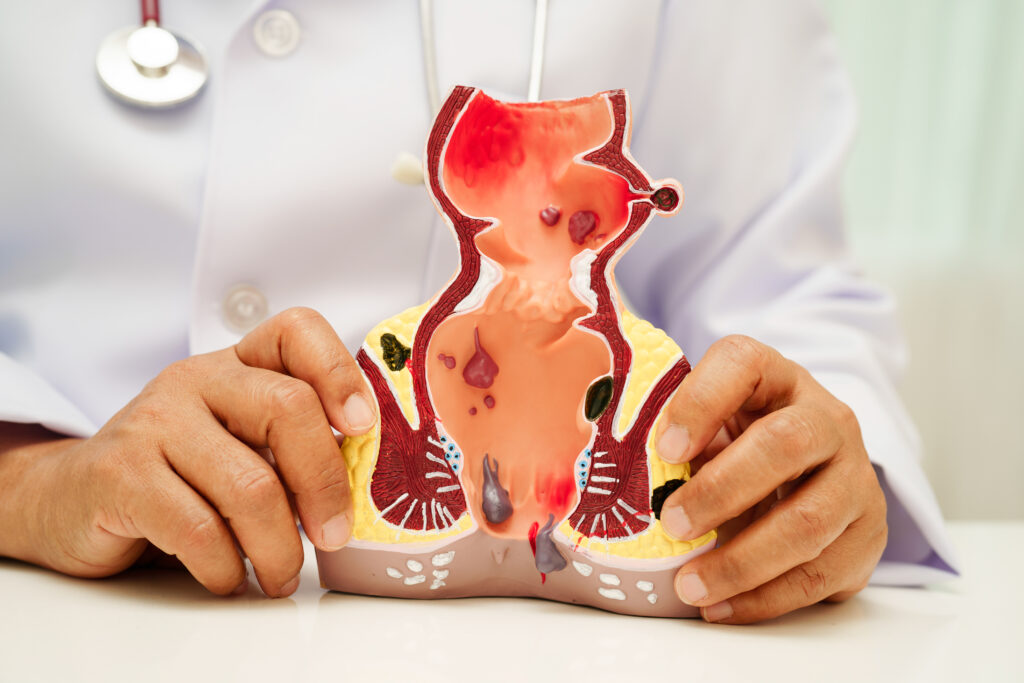
What is an Anal Fissure?
An anal fissure is a small tear in the lining of the anus. This condition can cause pain and bleeding during bowel movements. Anal fissures are common and can affect people of any age. Usually, the tear heals on its own, but sometimes it needs medical care. According to the World Health Organization, anal fissures are a frequent cause of rectal pain.
Common Symptoms of Anal Fissure
Often, people notice symptoms soon after the tear occurs. For example, you may feel sharp pain during or after passing stool. Other signs can also appear. Here are the most common anal fissure symptoms:
Sometimes, the pain may last for several hours after a bowel movement. If you notice these symptoms, it is important to pay attention.
Causes and Risk Factors
Many things can cause an anal fissure. Most often, it happens when you pass hard or large stools. However, other factors can also play a role. Below are some common anal fissure causes and risk factors:
In addition, people with poor blood flow to the anal area may be more likely to get fissures. Knowing these causes can help you take steps to prevent them.
Diagnosis: How Anal Fissures are Identified
Doctors can usually diagnose an anal fissure with a simple exam. First, your doctor will ask about your symptoms. Next, they will look at the area around your anus. In most cases, the tear is easy to see. Sometimes, your doctor may use a small tool to check inside the anus. However, this is only done if needed. If the fissure does not heal or keeps coming back, your doctor may suggest more tests. These tests can help rule out other conditions, such as infections or inflammatory bowel disease.
Treatment Options for Anal Fissure
Most anal fissures heal on their own within a few weeks. Still, some people need treatment to help the healing process. Here are common anal fissure treatment options:
According to the CDC, most people recover with simple home care. However, chronic fissures may need medical treatment.
Lifestyle Tips and Prevention
There are many ways to lower your risk of getting an anal fissure. For example, you can make small changes to your daily habits. Try these tips to help prevent anal fissures:
By following these steps, you can reduce your chances of developing a fissure. In addition, these habits support overall digestive health.
When to See a Doctor
Sometimes, an anal fissure does not heal with home care. If your symptoms last more than two weeks, you should see a doctor. Also, seek medical help if you notice:
Early treatment can prevent complications. Therefore, do not wait if you have concerns.
In summary, anal fissures are common but treatable. Consult Dr. Sayan Chakraborty for personalized guidance.