Introduction to Colonoscopy
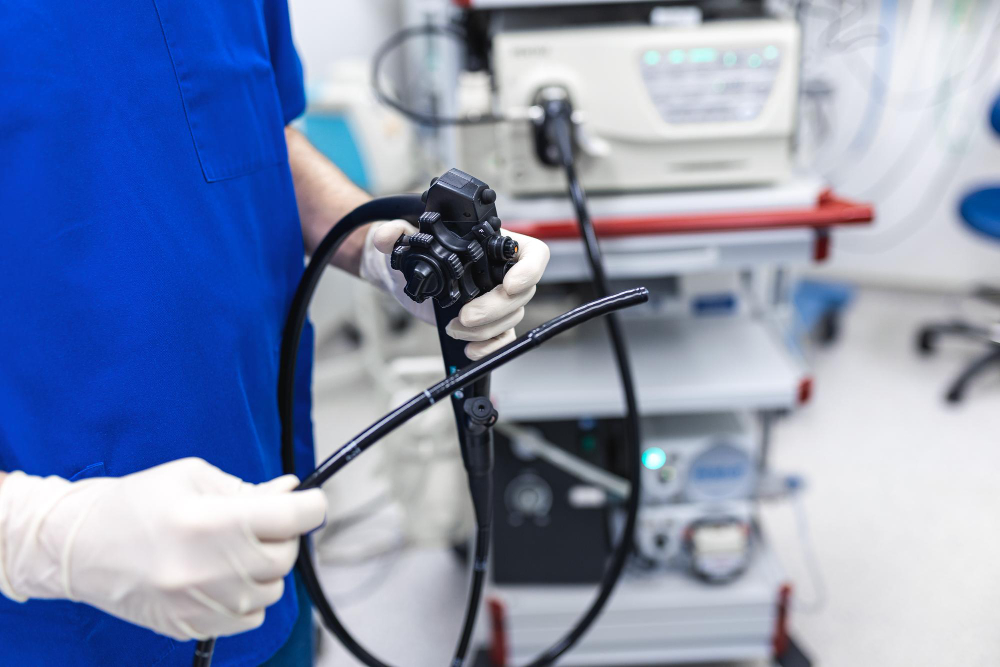
A colonoscopy is a test that helps doctors look inside your large intestine. During this procedure, a thin, flexible tube with a camera checks for problems like polyps or cancer. Because colonoscopy is important for early detection, many doctors recommend it for adults over 45. In this blog, you will learn what to expect, the benefits, and how to prepare for a colonoscopy.
Why is a Colonoscopy Needed?
Doctors use colonoscopy to find and prevent diseases in the colon. For example, it can help spot colon cancer early. Sometimes, it also helps find the cause of symptoms like:
In addition, people with a family history of colon cancer may need this test sooner. According to the Centers for Disease Control and Prevention (CDC), regular screening can save lives by finding problems early.
How to Prepare for a Colonoscopy
Proper colonoscopy preparation is key for a clear view during the test. Your doctor will give you detailed instructions. However, most people follow these steps:
For best results, follow all instructions closely. If you have questions, ask your healthcare provider before the test.
What Happens During the Colonoscopy Procedure?
Many people feel nervous about what happens during a colonoscopy. But the procedure is usually safe and quick. Here is what you can expect:
After the test, you will rest until the sedation wears off. Most people do not remember the procedure.
Benefits and Risks of Colonoscopy
Colonoscopy offers many benefits. For instance, it can:
However, like any medical test, there are some risks. These include:
Still, most people have no serious problems. The benefits of colonoscopy often outweigh the risks, especially for cancer screening. The World Health Organization (WHO) supports regular screening for people at risk.
Recovery and Aftercare
After your colonoscopy, you will rest in a recovery area. Because sedation can make you feel sleepy, you should not drive or make big decisions for the rest of the day. Here are some tips for aftercare:
If you notice any of these symptoms, call your doctor right away. Most people return to normal activities the next day.
Frequently Asked Questions About Colonoscopy
Conclusion and Next Steps
In summary, colonoscopy is a safe and effective way to check your colon health. It can find problems early and even prevent cancer. If you are due for a screening or have symptoms, talk to your doctor. Consult Dr Sayan Chakraborty to discuss if a colonoscopy is right for you.