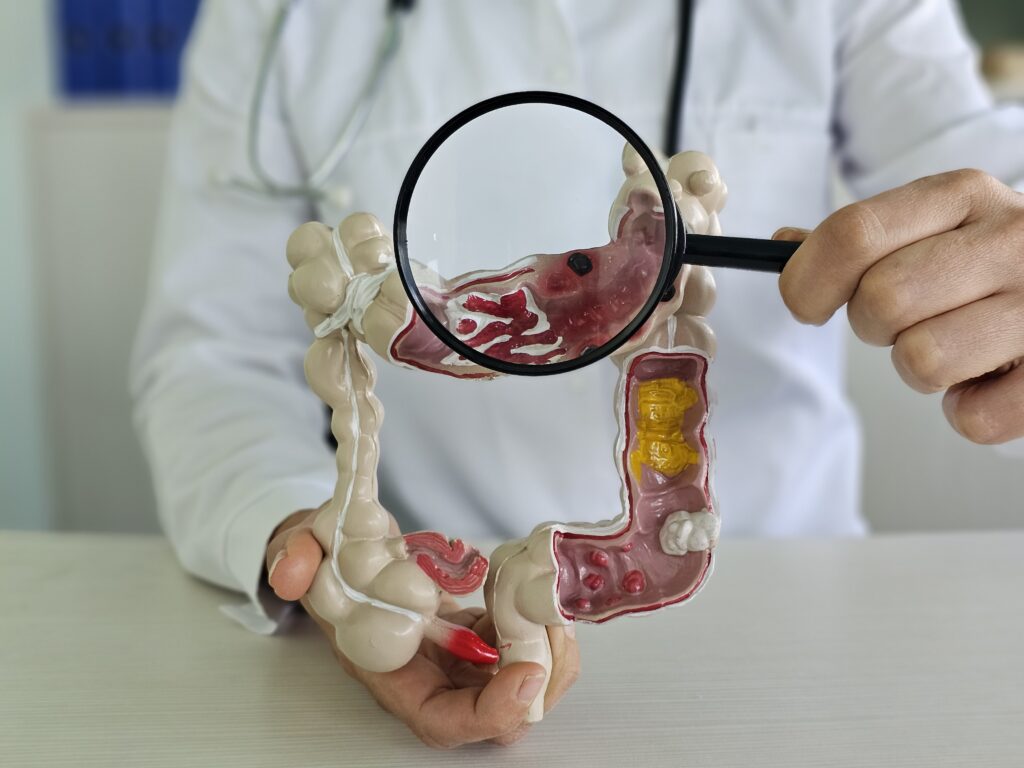
What is an Appendectomy?
An appendectomy is a surgery to remove the appendix. The appendix is a small, tube-shaped organ in the lower right side of your belly. Usually, doctors perform an appendectomy when the appendix becomes swollen or infected. This infection is called appendicitis. Without quick treatment, appendicitis can cause serious health problems. Therefore, an appendectomy is often a life-saving procedure. According to the CDC, appendectomy is one of the most common emergency surgeries worldwide.
Symptoms Indicating the Need for an Appendectomy
Sometimes, it can be hard to know if you need an appendectomy. However, certain symptoms may point to appendicitis. If you notice these signs, seek medical help right away:
In some cases, the pain may start near your belly button and move to the lower right side. Early treatment can prevent complications.
Causes Leading to Appendectomy
Usually, appendicitis happens when the appendix gets blocked. For example, stool, mucus, or a foreign object can block the opening. This blockage causes bacteria to grow, leading to infection and swelling. Sometimes, a tumor can also cause a blockage. If the appendix bursts, it can spread infection in the belly. Because of this, doctors often recommend an appendectomy as soon as possible.
Diagnosis: How Doctors Decide on Appendectomy
Doctors use several steps to decide if you need an appendectomy. First, they ask about your symptoms and check your belly for pain. Next, they may order tests, such as:
After reviewing the results, doctors decide if surgery is needed. Quick diagnosis helps prevent serious problems.
The Appendectomy Procedure: What to Expect
Doctors can perform an appendectomy in two ways. First, there is open surgery, where they make a small cut in the lower right belly. Second, there is laparoscopic surgery, which uses tiny cuts and a camera. Most people get general anesthesia, so they sleep during the surgery. The whole procedure usually takes less than an hour. Afterward, you will stay in the hospital for a short time. Recovery is often faster with laparoscopic surgery.
Recovery and Aftercare Tips
After an appendectomy, most people recover quickly. However, everyone heals at a different pace. To help your recovery:
If you notice any problems, contact your doctor right away. Quick action can prevent further issues.
Risks and Possible Complications
Although appendectomy is safe, every surgery has some risks. For example, you may have:
Most people recover without problems. But, knowing the risks helps you stay alert and seek help if needed. The World Health Organization notes that early treatment lowers the risk of complications.
Prevention and Lifestyle Guidance
Currently, there is no sure way to prevent appendicitis. However, some healthy habits may help your overall gut health. For instance:
While these steps may not stop appendicitis, they support your body’s health. Early action is key if you notice symptoms.
In summary, an appendectomy is a common and safe surgery for appendicitis. If you have symptoms, do not wait. Consult Dr. Sayan Chakraborty for personalized advice about appendectomy.